


Monday 2nd of December 2019
When purchasing a business, the decision is based on more than just physical assets and financial
...data. Intangible assets are major contributors to...


When purchasing a business, the decision is based on more than just physical assets and financial data. Intangible assets are major contributors to a company's value. These assets are not readily apparent, on balance sheets but they can have a significant impact, on future revenue and long term profitability. Knowing how to identify and value, these nonphysical assets is essential, for making an informed decision.
This article covers practical methods for valuing intangible assets, common risks to consider and how these assets, affect a company's overall value. By breaking down, key valuation approaches and real world considerations clear guidance is provided to help buyers make confident, educated decisions when purchasing a business. For those looking for, a business for sale in Auckland understanding the value of intangible assets is critical in determining an opportunity's, long term potential.

Intangible assets are non physical assets that help a business earn revenue, over time. Unlike buildings, vehicles or equipment these assets are difficult to quantify but usually represent, a company's competitive advantage. Examples include brand awareness, consumer loyalty, intellectual property, proprietary systems, licencing, supplier connections and goodwill.
Many modern businesses, particularly service based and digital businesses, rely heavily on intangible assets. In these situations, physical assets may play a considerably lower role, in value development. Buyers should concentrate on determining which intangible assets exist, how they contribute to revenue and whether, they can be maintained after the sale.
Intangible assets, are intimately related to a company's, future earning potential. Financial statements, reveal previous performance but intangible assets, assist in explaining whether that performance, can be sustained under new ownership. A strong brand or a loyal consumer base, might provide greater predictability, regarding future cash flow.
Ignoring intangible assets may raise investment risk. For example, a business may appear lucrative, but is primarily reliant on the owner's, personal contacts or reputation. If those elements cannot be transferred to the buyer revenue may suffer. A proper assessment of these risks, results in better pricing and more, realistic expectations. Identifying and evaluating these hidden dependencies, is critical for anyone looking at business for sale Auckland since it reveals the true sustainability, of future earnings.
When evaluating intangible assets it is critical to look beyond, broad notions and consider the unique asset types, that drive corporate performance. Each category adds value, in unique ways and poses its own hazards, necessitating careful consideration during the purchasing process.
Brand and Reputation: This represents how the company, is seen by consumers and the general public. A strong, trusted brand can increase repeat sales, lower marketing expenses and sustain, higher prices. If the brand's reputation is poor or inconsistent purchasers may need to commit time and money, in order to improve it. This needs consideration in overall valuation.
Customer Relationships and Contracts: This helps ensure revenue consistency, particularly when there are, recurring clients or long term contracts. Buyers, should look into retention rates, contract terms and reliance, on important customers. It's also critical to determine, whether these ties are connected to the owner or supported by clear systems, making them easier to transfer, after the sale.
Intellectual Property: Covers patents, software, trademarks, and proprietary procedures that protect, the business from rivals. Value preservation, depends on proper ownership and legal protection. Unique or well protected intellectual property, can improve appeal whereas old or unprotected assets, may limit potential profits.
Goodwill: This is the value generated by elements, other than tangible assets, like customer loyalty, brand strength and effective operations. The company's potential, to make money in the future justifies it. Goodwill should be carefully evaluated, because its value may decline, after the transfer if it is largely dependent, on the seller's personal participation.
Together, these provide a clearer picture of where a business’s real value lies and how sustainable its future earnings will be under new ownership.

Intangible assets are valued using the income based method, according to the anticipated future income, they will produce. Buyers, directly link value to earning potential, by projecting future cash flows and applying a discount rate to, account for risk. Projections must be reasonable and well supported, as this approach mostly depends on forecasts. Independent financial counsel is necessary since overestimating future income, can inflate value and result in poor investment outcomes.
The market based approach, compares the business with similar businesses that have sold recently, to establish a benchmark value. Although this provides helpful market context, modifications are required to account for, variations in asset quality or market circumstances. The cost based method, calculates the cost of replicating, the intangible asset. This may undervalue assets, that produce robust or distinctive revenue streams, although it can be useful in some situations.
Not every intangible asset, passes to a new owner right away. If not handled throughout transition, staff dedication, supplier relationships and customer loyalty, may deteriorate. The degree to which these assets are integrated, into the business systems, should be evaluated by buyers. Noncompete agreements, training sessions and organised handovers, can all lower risk. These steps enhance business continuity, following the sale and assist in safeguarding, the value of intangible assets.
Legal due diligence is critical when valuing intangible assets. Buyers must confirm that the business owns the assets outright and that they can be legally transferred. This includes checking trademarks, licences, software agreements and intellectual property rights. In New Zealand, regulatory compliance is also of importance.
Certain rights or approvals may only be available to the current owner. Early problem identification avoids value loss, unanticipated costs and post purchase delays. This level of legal analysis aids buyers, in evaluating an business for sale Auckland by ensuring that significant intangible assets are protected and accessible once the deal is finalised.
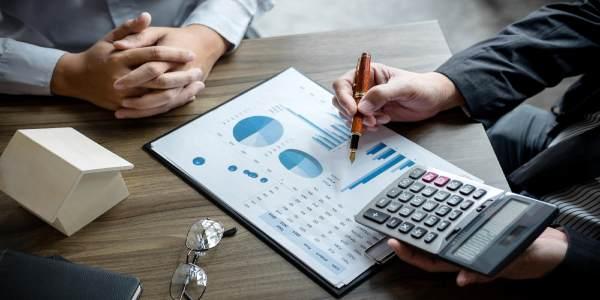
Buyers are more confident during negotiations, when they are aware of the value of intangible assets. Buyers might negotiate price modifications, earn out structures or obtain warranties, to safeguard future performance, if concerns are discovered. When backed by convincing data, strong intangible assets can also justify a higher valuation. Both sides can come to a just and knowledgeable agreement, with the aid of well documented processes, contracts and financial data.
Wrapping Up
Valuing intangible assets is an essential part of buying a business and plays a major role in long term success. These assets often drive future income and competitive advantage, even though they are harder to measure than physical assets. A structured and realistic approach ensures the business is valued not just for what it owns, but for what it can sustainably deliver in the years ahead.

Franchising your business is a great option if you want to grow it without bearing the costs of each new outlet. But keep in mind that franchising is...

Do you want to embark on your entrepreneurial journey with low overhead costs and minimal financial risk? Instead of starting something in a fully functional...


Business2Sell is one of the biggest and trusted marketplaces for buying and selling businesses in New Zealand. Our website is visited by thousands of buyers and sellers every day and offers wider reach and visibility. We are committed to serving our clients with cutting-edge technology and value for money.


